Concrete or Asphalt for a Go-Kart Track, and What a Tire-Backed Rail Does
Two choices shape how a go-kart track wears and protects riders: the surface under the karts and the wall beside them.
October 21, 2026 · 3 min read
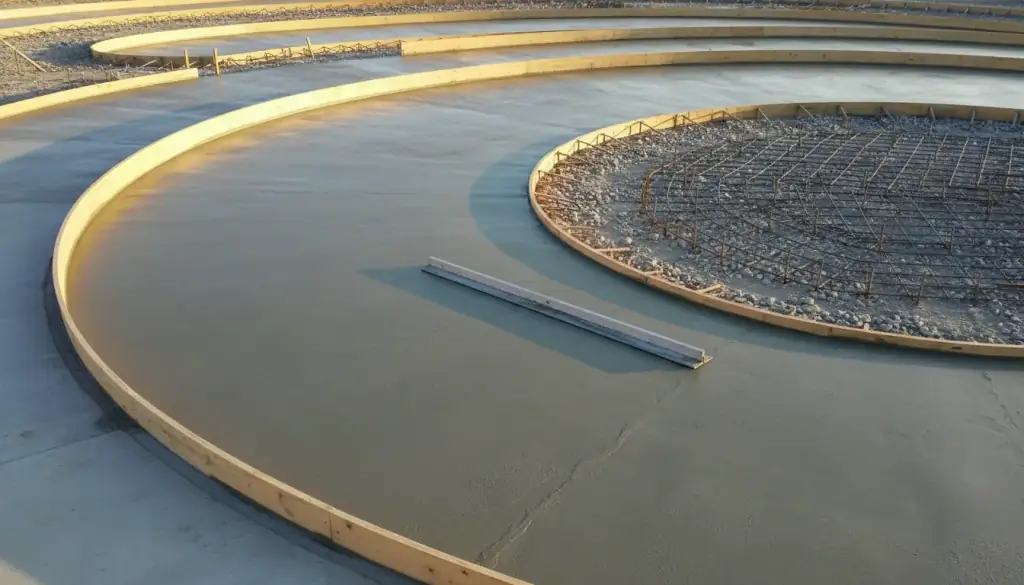
Two decisions do most of the work on a go-kart track once the layout is drawn. One is the surface the karts run on. The other is what stands between a kart and the outside edge of a turn. Neither is glamorous, and both are expensive to redo, so they are worth understanding before you sign anything.
MGC Developers has been building and designing family entertainment centers since 1989, and its go-kart track page takes a clear position on both decisions. This article walks through that position, adds some general craft context, and ends with questions worth asking any builder.
Why MGC recommends concrete
MGC recommends concrete over asphalt for a go-kart track and gives three reasons. It lasts longer. It is white instead of black. And it runs, in MGC's figure, about 40 degrees cooler in the sun.
Asphalt is commonly the lower first cost, and that is usually why it gets chosen. MGC's pages give no price comparison between the two surfaces, so we won't guess at one here. Ask any builder for both numbers on your site, and ask what each surface is likely to need five and ten years in. A surface that lasts longer changes the math only if you plan to own the track that long, which for most operators is the idea.
Think about who is standing on that surface. On a summer afternoon a black slab soaks up sun and gives it back to riders, to staff in the pit, and to kids waiting in line. A pale surface does less of that. Forty degrees is MGC's number, and your actual difference will vary with climate, but the direction is easy to feel. A cooler track is also simply a nicer place to work an eight-hour shift.
Concrete tracks are typically poured in forms along the curve over a prepared gravel base, so the quality of the base and the forming work matter as much as the concrete itself. That is a general description, not MGC's published specification, so ask your builder how it handles base preparation, joints and drainage.
What a tire-backed safety rail is
A kart at speed doesn't need a wall that stops it dead. It needs a wall that gives. MGC's tire-backed rail system is built that way, and the company publishes the spec:
- Rail: 5/8-inch thick hot-rolled flat steel bar
- Width: 5 or 6 inches
- Length: 20 feet per section
- Backing: old passenger-car tires, bolted to the rail
- Movement: the tires move 14 to 18 inches to absorb impact
The idea is the one behind a crumple zone. A rigid barrier stops a kart in almost no distance, and that is where the force goes into the driver. Let the barrier move a foot or more and the stop takes longer, which spreads the same energy over more time. That is general physics, not a test result from MGC. What MGC does say is that it uses this system, and that the tires flex to take the hit.
Safety rails are on MGC's list of features for every go-kart track, along with a 1,000-foot linear track, a covered shade structure, lighting and a pit area. MGC's published starting price for a track with those features is about $229,995.
Questions worth asking any track builder
- What is the surface, and what does it look like after ten summers of use?
- How deep is the base, and how is water drained away from the track?
- How is the rail anchored, and how far does the barrier move in an impact?
- What do the tires and rail need for upkeep, and what does replacing a section involve?
- Who inspects the track before opening day, and what do they check?
Builders who run their own facilities tend to have sharper answers to the upkeep questions, because they live with the result. MGC says on its About page that it operates its own facilities, and its guarantee reads: "At MGC, we stand by all our construction and guarantee all work and materials."
Go-karts also come with decisions beyond the surface and the rail: how long the track runs, how many karts fit, and how much shade and lighting to build in. MGC recommends 800 to 1,200 linear feet, with one kart for every 40 feet of track, and builds tracks indoors and outdoors.
For layout, length and what a full track includes, see /services/go-kart-tracks. Sizing and pricing questions are answered in the /faq. To talk through surface and rail choices for your site, call MGC at (860) 749-4434.
MGC Developers, (860) 749-4434
Call (860) 749-4434More articles
How Much Land Does Each Attraction Really Need?
Attractions don't scale the way most owners expect, so measure the ground before you fall for a layout.
Where the Money Goes on a Mini Golf Course
Theming and rockwork move the number more than anything else, so know what a typical 18-hole build includes before you pick a theme.